
Laser weapons ‘finally’ seeing ‘real progress,’ Missile Defense Agency official says
"There have been some really impressive results," said MDA Executive Director Laura DeSimone on recent directed energy tests.
"There have been some really impressive results," said MDA Executive Director Laura DeSimone on recent directed energy tests.

Russia since this spring has been using both newly minted cruise missiles and even hypersonic missiles in its war to annex Ukraine.


A commitment to long-term operational value.

"If we want deterrence to be effective, it takes three things: 1. Capabilities 2. Credible threats in the mind of the adversary and 3. The will to communicate the first two," Chris Stone, Mitchell Institute fellow, told Breaking Defense.
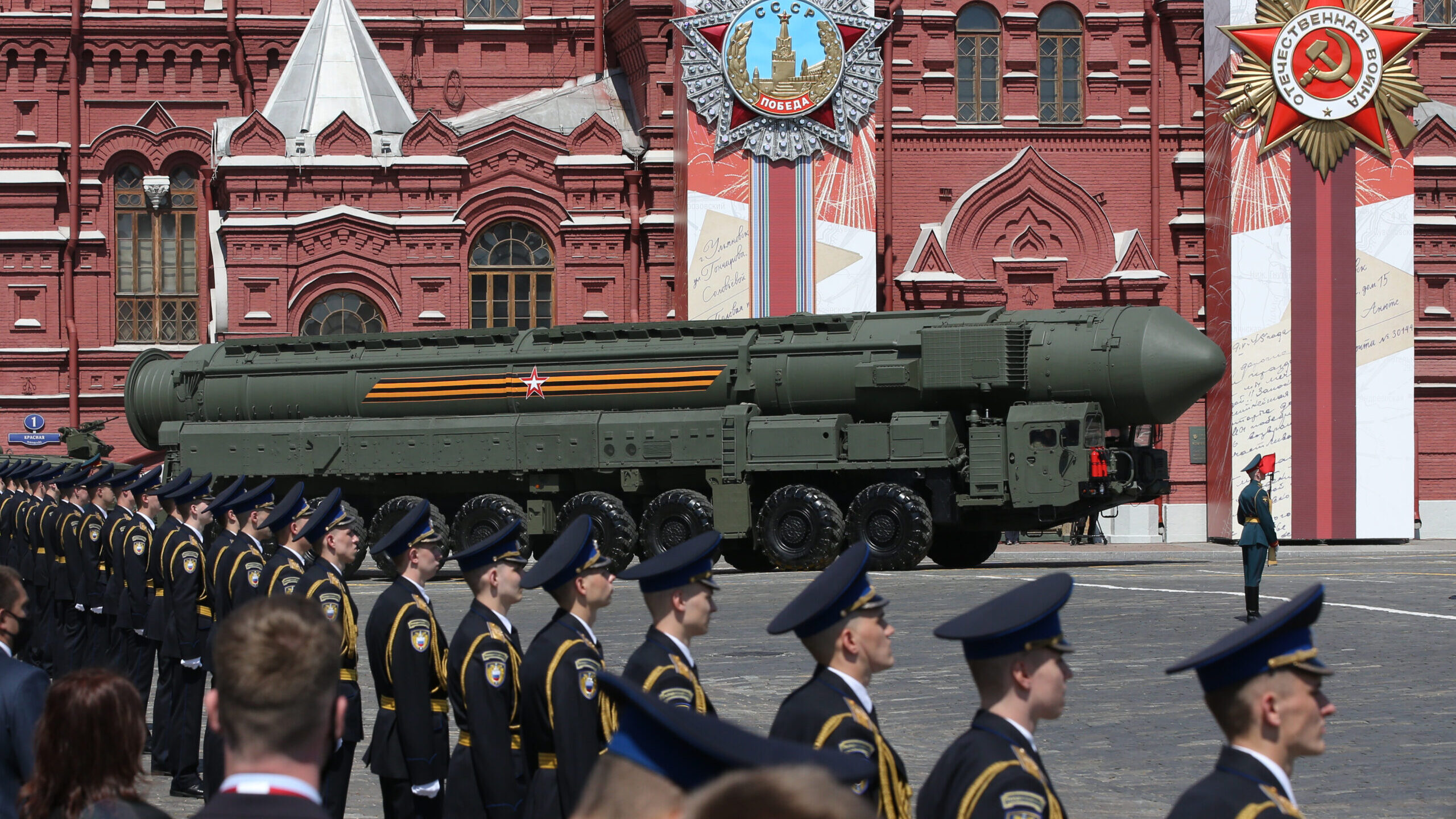
The two reviews were largely welcomed by more hawkish commentators and criticized by supporters of more robust approaches to nuclear arms control — with the latter lamenting that Biden has walked away from campaign promises to reduce US reliance on nuclear weapons.
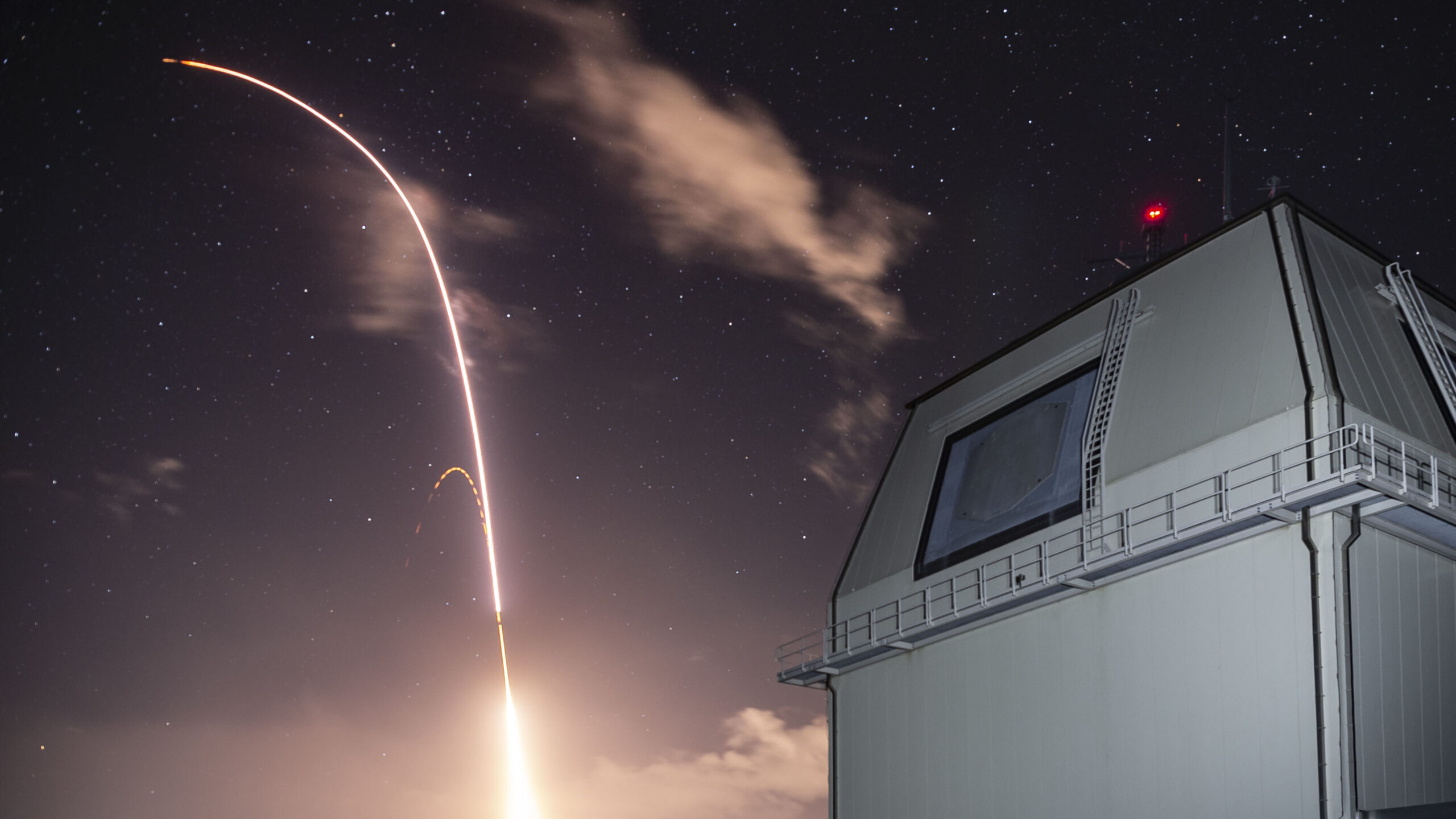
"We need to recognize that we can no longer operate in the somewhat static 'spy vs spy' conditions of the Cold War and that we are dealing with a technologically advanced and ever-adapting adversary who has both the know-how and funding to continually push us on every front," former Pentagon official Doug Loverro said.
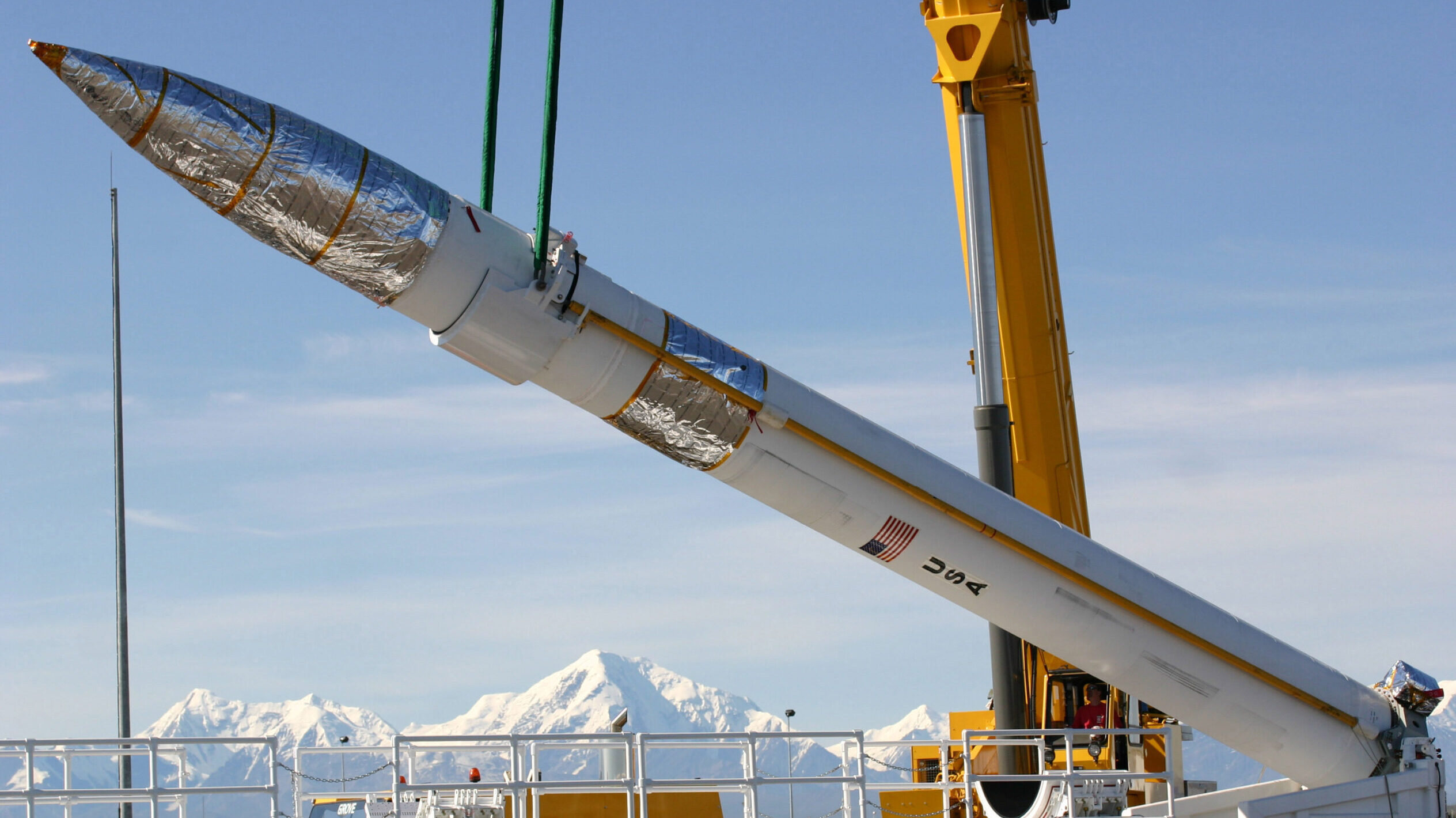
The Missile Defense Review sets "the stage for a high-stakes policy debate between those who value missile defense as an enabler of US grand strategy, and those who fear enhanced missile defense may start an arms race with Russia and China," write Walter Slocombe and Robert Soofer.


Lightning Surge exercises are turning soldier feedback on NGC2 into operational software changes in days, not years.
"I would like to have overhead sensors that see everything, characterize everything that goes on on this planet from a missile perspective, all the time everywhere. ... That's unobtainium right now," says VCJCS Gen. John Hyten.
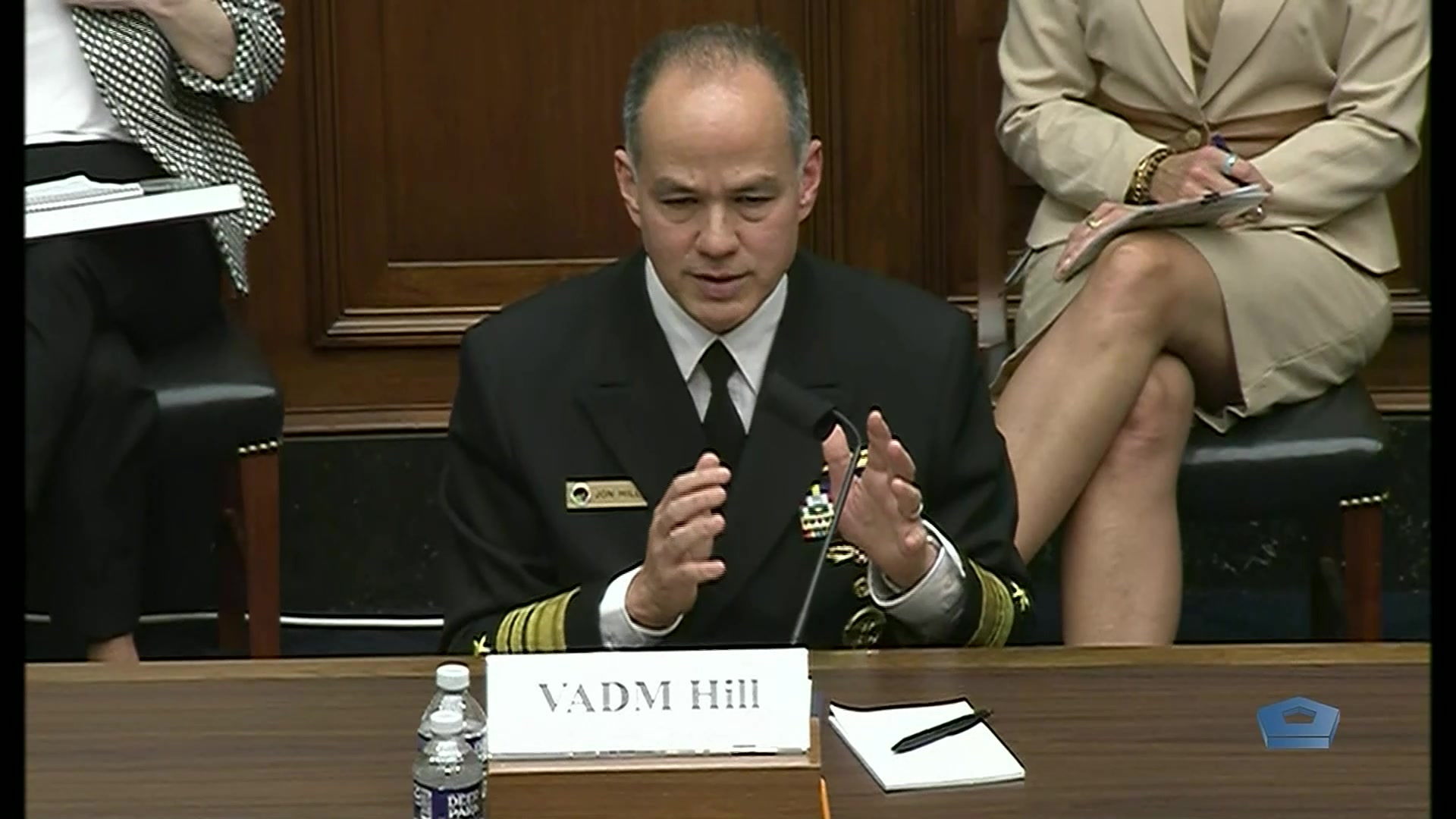
"The future will be a mix of kinetic and non-kinetic. It will be a mix of hard kill and soft kill, because of where the threat is going to. The threat will drive us to do something different," says Vice Adm. Jon Hill, who heads the Missile Defense Agency.

CBO estimates that developing F-35-launched boost-phase interceptors to defend against North Korean ballistic missiles would cost $25 billion to $40 billion to develop, with an additional $10 billion to $20 billion a year to operate.
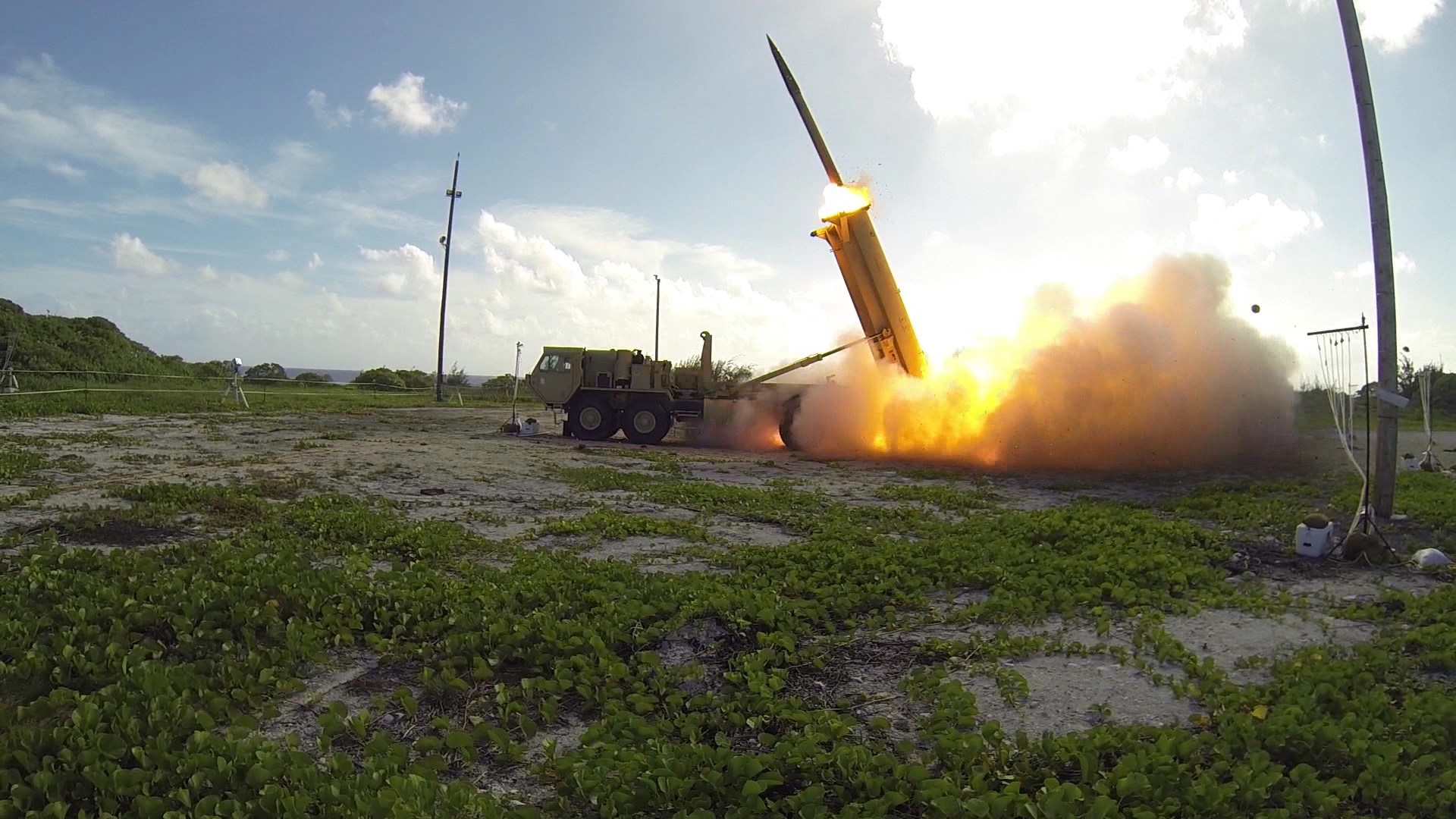
"If they tried that, I'd expect to see a bipartisan display of pitchforks on Capitol Hill, and the likeness of certain DoD officials burned in effigy," said one expert of any move to disband MDA.


Traditional thinking about how to protect facilities must adapt to new threats such as drones or downstream attacks.

What happens when the Pentagon's new ballistic missile defeat program doesn't work? They keep using the old one, which has a spotty track record.

The Pentagon has quietly asked defense contractors for ways to spot enemy missile launchers -- so the US can destroy them before they even fire.

The Pentagon has almost completed a study of how to shoot down hypersonic missiles. It's also developing new offensive weapons -- conventional, not nuclear -- whose deployment will become legal with the end of the INF Treaty.

Despite the Navy's misgivings over having dozens of its ships sailing in boxes hunting for missiles, plans remain in place for more Aegis-capable hulls, as well as new radars, and mobile missile defense batteries.